
Ultimate Guide to Dog Grooming Techniques

Updated: Oct 29, 2025
Grooming your dog is more than just a way to keep them looking good. It is essential for their health and well-being. Regular grooming helps to prevent skin issues, reduces shedding, and keeps your dog comfortable. In this ultimate guide, we will explore various dog grooming techniques that every pet owner should know. Whether you are a seasoned groomer or a first-time dog owner, this guide will provide you with practical tips and techniques to keep your furry friend looking and feeling their best.
Understanding Your Dog's Coat
Before diving into grooming techniques, it is important to understand the type of coat your dog has. Different breeds have different coat types, and each requires specific grooming methods. Here are the main types of dog coats:
Short Coats: Breeds like Beagles and Boxers have short, smooth coats. They require minimal grooming, usually just a weekly brushing to remove loose hair.
Medium Coats: Breeds such as Cocker Spaniels and Bulldogs have medium-length fur. They benefit from regular brushing to prevent matting and reduce shedding.
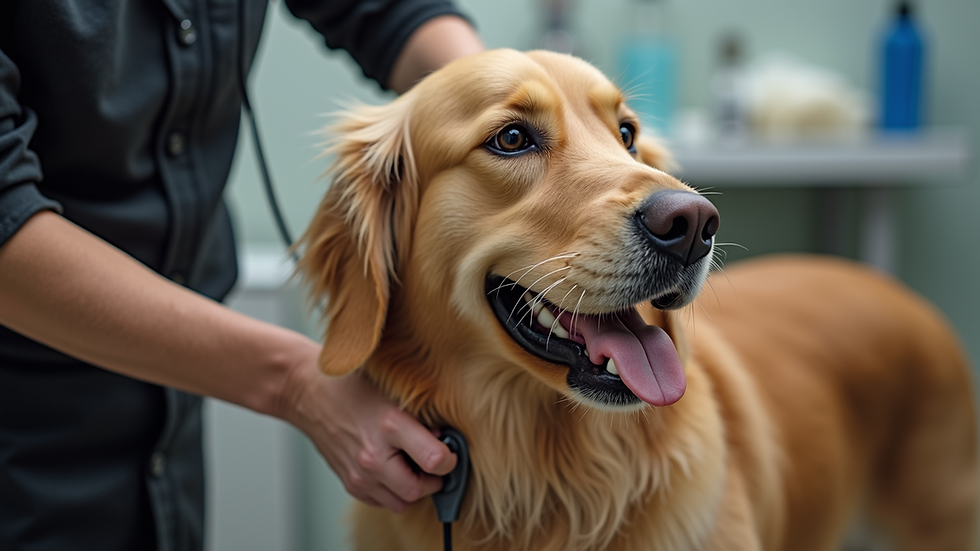
Long Coats: Breeds like Golden Retrievers and Shih Tzus have long, flowing coats. These dogs require frequent grooming to prevent tangles and mats.
Curly Coats: Breeds such as Poodles and Portuguese Water Dogs have curly coats that do not shed much. They need regular grooming to keep their curls looking neat and to prevent matting.
Understanding your dog's coat type will help you choose the right grooming tools and techniques.
Essential Grooming Tools
Having the right tools is crucial for effective grooming. Here are some essential grooming tools you should have:
Brushes: Different brushes serve different purposes. Slicker brushes are great for removing mats, while bristle brushes are good for smoothing the coat.
Combs: A metal comb can help you detangle knots and check for fleas or ticks.
Nail Clippers: Regular nail trimming is important for your dog's comfort. Choose clippers that are appropriate for your dog's size.
Shampoo: Use a dog-specific shampoo that is gentle on their skin. Avoid human shampoos, as they can be too harsh.
Towels: Keep a few towels handy for drying your dog after a bath.
Having these tools ready will make the grooming process smoother and more enjoyable for both you and your dog.
Bathing Your Dog
Bathing is an important part of grooming. Here are some steps to follow for a successful bath:
Prepare the Area: Choose a location that is easy to clean, such as a bathtub or a shower. Lay down a non-slip mat to prevent your dog from slipping.
Brush Before Bathing: Always brush your dog before the bath to remove loose hair and mats. This will make the bathing process easier.
Use Lukewarm Water: Fill the tub or shower with lukewarm water. Avoid hot water, as it can irritate your dog's skin.
Wet Your Dog: Use a handheld showerhead or a cup to wet your dog thoroughly. Be careful around their ears and eyes.
Apply Shampoo: Use a small amount of dog shampoo and lather it into your dog's coat. Make sure to rinse thoroughly to remove all soap.
Dry Your Dog: After the bath, use a towel to dry your dog. You can also use a pet dryer on a low setting, but be cautious not to scare them.
Bathing your dog regularly will help keep their coat clean and healthy.
Brushing Techniques
Brushing is a key part of grooming that helps to remove loose hair and prevent mats. Here are some brushing techniques based on coat type:
Short Coats: For short-haired dogs, use a bristle brush or a rubber grooming mitt. Brush in the direction of hair growth to remove loose hair.
Medium Coats: Use a slicker brush to remove tangles and a bristle brush to smooth the coat. Brush at least once a week.
Long Coats: For long-haired dogs, use a slicker brush to detangle and a wide-toothed comb to finish. Be gentle and work in sections to avoid pulling on their skin.
Curly Coats: Use a comb to detangle and a slicker brush to fluff the curls. Regular grooming is essential to prevent mats.
Brushing not only keeps your dog's coat looking good but also provides an opportunity to check for skin issues or parasites.
Nail Trimming Tips
Nail trimming is often overlooked but is crucial for your dog's health. Here are some tips for successful nail trimming:
Choose the Right Time: Trim your dog's nails when they are calm, such as after a walk or playtime.
Use Proper Tools: Invest in quality nail clippers designed for dogs. There are guillotine-style and scissor-style clippers available.
Know Where to Cut: Be careful not to cut into the quick, which is the sensitive part of the nail. If your dog has light-colored nails, you can see the quick as a pink area. For dark nails, trim small amounts until you see a darker center.
Reward Your Dog: Use treats and praise to make the experience positive. This will help your dog associate nail trimming with something enjoyable.
Take Your Time: If your dog is anxious, take breaks and do one paw at a time. Patience is key.
Regular nail trimming will help prevent discomfort and keep your dog healthy.
Ear Cleaning Essentials
Cleaning your dog's ears is an important part of grooming that is often neglected. Here’s how to do it safely:
Gather Supplies: You will need a dog ear cleaner, cotton balls, and treats for positive reinforcement.
Check for Issues: Before cleaning, check for redness, swelling, or a bad odor. If you notice any of these signs, consult your veterinarian.
Apply Cleaner: Squeeze a few drops of ear cleaner into your dog's ear canal. Gently massage the base of the ear to distribute the cleaner.
Wipe Away Debris: Use a cotton ball to wipe away any dirt or wax. Avoid using cotton swabs, as they can push debris further into the ear.
Reward Your Dog: After cleaning, give your dog a treat and lots of praise to create a positive association.
Regular ear cleaning can help prevent infections and keep your dog comfortable.
Dealing with Matting
Matting can be a common issue, especially for long-haired breeds. Here are some tips for dealing with mats:
Prevention is Key: Regular brushing is the best way to prevent mats. Make it a part of your grooming routine.
Use the Right Tools: A slicker brush or a dematting tool can help remove mats. Be gentle to avoid hurting your dog.
Work Slowly: If you encounter a mat, work on it slowly. Start at the edges and gradually work your way to the center.
Consider Professional Help: If the matting is severe, it may be best to seek help from a professional groomer.
Dealing with mats promptly will help keep your dog's coat healthy and manageable.
Grooming for Different Seasons
Grooming needs can change with the seasons. Here are some tips for seasonal grooming:
Spring and Summer: During warmer months, regular brushing is essential to remove loose hair and keep your dog cool. Consider a summer haircut for long-haired breeds.
Fall and Winter: In colder months, your dog may need extra grooming to prevent mats from forming. Keep an eye on their coat and adjust your grooming routine accordingly.
Hydration: Ensure your dog stays hydrated, as dry skin can lead to increased shedding. Regular baths with moisturizing shampoo can help.
Adapting your grooming routine to the seasons will help keep your dog comfortable year-round.
The Benefits of Professional Grooming
While many dog owners can handle basic grooming at home, there are benefits to seeking professional help. Here are some reasons to consider professional grooming:
Expertise: Professional groomers have experience with various breeds and coat types. They can provide specialized care that you may not be able to achieve at home.
Tools and Techniques: Groomers have access to professional-grade tools and techniques that can make the grooming process more effective.
Time-Saving: If you have a busy schedule, a professional groomer can save you time and ensure your dog receives the care they need.
Health Checks: Groomers often check for skin issues, parasites, and other health concerns during grooming sessions.
Investing in professional grooming can enhance your dog's overall health and appearance.
Making Grooming a Positive Experience
Grooming can be a stressful experience for some dogs. Here are some tips to make it more enjoyable:
Start Young: Introduce grooming to your puppy early on. This will help them become accustomed to the process.
Use Positive Reinforcement: Reward your dog with treats and praise during and after grooming sessions. This will help them associate grooming with positive experiences.
Be Patient: Take your time and be gentle. If your dog becomes anxious, take a break and try again later.
Create a Routine: Establish a regular grooming schedule. Consistency will help your dog feel more comfortable with the process.
By making grooming a positive experience, you can strengthen the bond between you and your dog.
Final Thoughts on Grooming Your Dog
Grooming is an essential part of dog ownership that goes beyond aesthetics. It plays a vital role in your dog's health and happiness. By understanding your dog's coat type, using the right tools, and following proper techniques, you can ensure that your furry friend looks and feels their best.
Remember, grooming should be a positive experience for both you and your dog. With patience, practice, and a little love, you can master the art of dog grooming. Your dog will thank you for it with wagging tails and happy barks.

By following the tips and techniques outlined in this guide, you will be well on your way to becoming a grooming pro. Happy grooming!


Comments